
5 October 2026
Moving from Perth CBD to Suburbs: What Changes to Expect
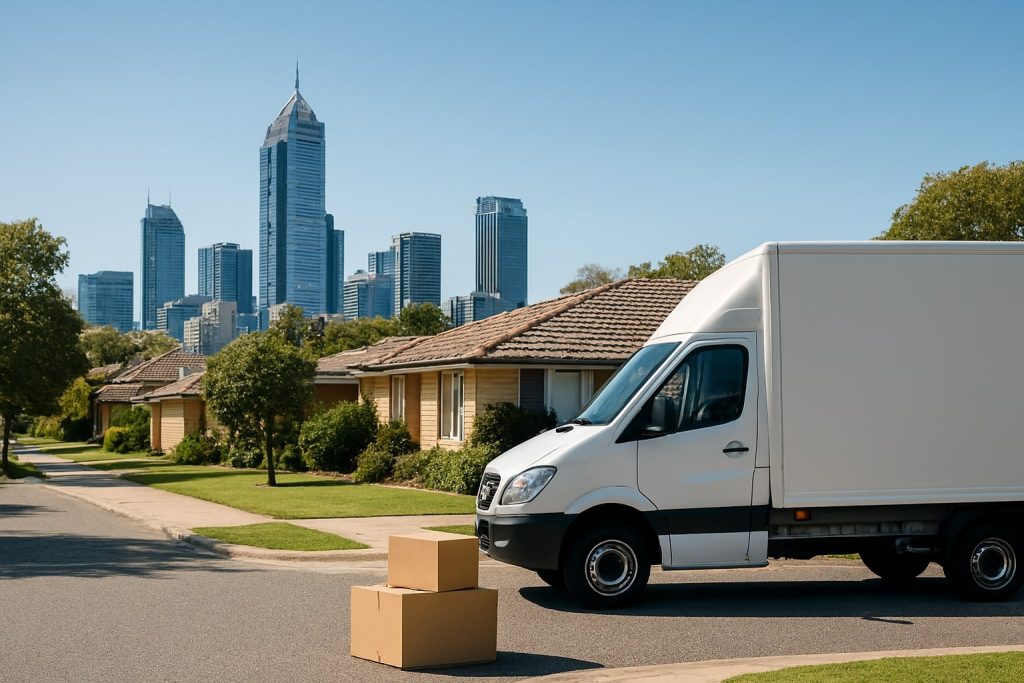
The allure of Perth CBD is undeniable: the vibrant city life, walk-to-work convenience, and an abundance of dining and entertainment options right on your doorstep. However, for many, the time comes to trade the hustle and bustle for more space, a backyard, and a different pace of life. Moving from the Perth CBD to one of its sprawling suburbs is a significant lifestyle shift, and many people choose to work with professional movers in Perth to make the transition easier and stress-free.
If you're contemplating this move, get ready for some noticeable changes. Here’s what you can expect when you swap city living for suburban serenity in Perth.
1. The Pace of Life: From Fast to Family-Friendly
- CBD: High energy, constant activity, 24/7 options, often a younger demographic or professionals.
- Suburbs: Generally a slower, more relaxed pace. Weekends might involve gardening, trips to local parks, or community events. There's a stronger emphasis on family life, quiet streets, and neighbourly interactions. You'll likely see more children playing, families walking dogs, and a greater sense of community spirit.
2. Housing & Space: The Great Expansion
| Metric | Perth CBD | Perth Suburbs |
|---|---|---|
| Common Property Type | Apartments | Detached houses, townhouses |
| Median Weekly Rent – 1 Bed | $600/week | $420–$520/week |
| Median Weekly Rent – 2 Bed | $740/week | $520–$650/week |
| Typical Rent – 3–4 Bedroom House | Rare in CBD | $650–$850/week |
| Space per Dollar | Low | High |
| Outdoor Area | Balcony (small) | Backyard, garden, patio |
| Maintenance Needs | Low | Medium to high |
| Typical Home Size | 45–90 sqm | 120–250 sqm |
- CBD: Dominated by apartments, often with limited outdoor space (a balcony if you're lucky). You pay a premium for square footage.
- Suburbs: Expect significantly more space for your money. This typically means a detached house with a backyard, potentially a garage, and more internal living areas. Townhouses and villas are also common. You'll gain room for hobbies, pets, and children to play.
- Expect: Larger living areas, dedicated dining rooms, multiple bedrooms, and often a garden shed or outdoor entertaining area.
- The Trade-off: While you get more space, the property itself might be older and require more maintenance than a newer CBD apartment.
3. Transport & Commuting: Car Becomes King (Mostly)
| Metric | Perth CBD | Perth Suburbs |
|---|---|---|
| Main Transport | Walking, trains, buses | Car, train (if near line) |
| Car Dependence | Low | High |
| Average One-Way Commute | 10–20 mins | 25–45 mins |
| Parking Availability | Difficult, expensive | Easy, free at home |
| Transport Cost per Week | Low | Medium to high |
| Access to Frequent Public Transport | Very strong | Moderate to weak (varies by suburb) |
- CBD: Walking, cycling, and public transport (trains, buses, CAT buses) are the primary modes of getting around. Cars are often a luxury or a hassle due to parking.
- Suburbs: While Perth has a decent public transport network (Transperth), particularly along train lines, a car often becomes essential for daily life.
- Expect: More driving to work, shops, schools, and social events. Parking is generally much easier and often free at home.
- The Change: Your commute might involve driving to a train station and then taking the train, or a full drive to the city. Factor in fuel costs and potential traffic, especially during peak hours.
4. Amenities & Convenience: Planned vs. Pervasive
| Category | Perth CBD | Perth Suburbs |
|---|---|---|
| Supermarkets | Smaller, premium | Large supermarkets within 5–10 mins |
| Dining Options | Extensive, walkable | Moderate, mostly local cafés & chains |
| Entertainment | High-density (bars, theatres, events) | Limited; larger hubs require driving |
| Schools | Fewer nearby | Many public & private options |
| Parks & Green Spaces | Limited | Large parks, playgrounds, reserves |
| Shopping Centres | Boutique retail | Major centres and local shopping hubs |
- CBD: Everything is at your fingertips – world-class restaurants, bars, theatres, major retail, and specialist services.
- Suburbs: Amenities are still excellent, but they're more spread out and often planned around local shopping centres and community hubs.
- Expect: Large supermarkets, local cafes, chain restaurants, smaller boutique shops, and community centres. You'll find good schools, parks, and sporting facilities in abundance.
- The Change: You might drive 5-10 minutes to the nearest big supermarket or shopping centre, rather than simply walking downstairs. Specialised shopping or fine dining will likely require a trip back to the CBD or larger commercial hubs.
5. Noise & Environment: Trading Hum for Hum of Nature
| Factor | Perth CBD | Perth Suburbs |
|---|---|---|
| Noise Level | High (traffic, nightlife) | Low to medium |
| Greenery | Limited | Abundant |
| Air Quality | Urban | Fresher/cleaner |
| Night Environment | Busy, active | Quiet, residential |
| Wildlife | Minimal | Birds, local animals, backyard nature |
- CBD: Constant urban hum – traffic, sirens, construction, late-night revelers.
- Suburbs: Generally much quieter. You'll likely hear birdsong, lawnmowers, children playing, and the occasional distant dog bark. Nights are often peaceful.
- Expect: More green spaces, parks, and tree-lined streets. The air might even feel a little fresher.
- The Change: The silence might take some getting used to, especially if you're accustomed to city noise.
6. Community & Social Life: From Anonymous to Neighbourly
| Lifestyle Factor | Perth CBD | Perth Suburbs |
|---|---|---|
| Pace of Life | Fast, busy | Relaxed, family-friendly |
| Social Interaction with Neighbours | Low | High |
| Community Events | Fewer | Many (markets, sports clubs, fairs) |
| Pet-Friendliness | Limited | Very high |
| Outdoor Activities | Walkable nightlife | Parks, trails, backyards |
| Sense of Space | Limited | Spacious |
- CBD: Social life might revolve around work colleagues or established friendship groups, with less interaction with immediate neighbours.
- Suburbs: There's a stronger emphasis on local community. You might get to know your neighbours, participate in local events, or join community groups. Schools and local sporting clubs often become central to social life.
- Expect: Barbecues with neighbours, school fetes, and local market visits.
- The Change: You might need to make a conscious effort to integrate into the local community, but the opportunities are often plentiful.
7. Cost of Living: Some Savings, Some New Expenses
| Cost Category | Perth CBD | Perth Suburbs |
|---|---|---|
| Housing Cost | High | Medium |
| Transport Cost | Low | High |
| Utilities | Lower (small spaces) | Higher (larger homes) |
| Food/Groceries | Slightly higher | Lower (bigger supermarkets) |
| Parking Fees | High | $0 at home |
| Garden Maintenance | Not applicable | Medium to high |
- CBD: High rent/mortgage payments, expensive parking, often higher prices for daily essentials in convenience stores.
- Suburbs:
- Savings: Generally lower rent/mortgage for more space, cheaper groceries at larger supermarkets, free parking.
- New Expenses: Increased transport costs (fuel, car maintenance), potentially higher utility bills for larger homes, and costs associated with maintaining a garden.
Quick Takeaways for Moving from Perth CBD to Suburbs
- Lifestyle Shift: Expect a slower, more family-focused pace of life with a stronger sense of community.
- More Space: Gain significant living space and a backyard for your money, compared to CBD apartments.
- Car Dependence: A car becomes more essential for daily commutes and errands; public transport options vary.
- Amenities: Access to large supermarkets, good schools, and local parks, but less immediate access to specialty shops and fine dining.
- Quieter Environment: Trade urban noise for more peaceful surroundings and green spaces.
- Cost Mix: Potential savings on housing, but expect new expenses like fuel and garden maintenance.
Moving from the Perth CBD to the suburbs is a transition that offers a different, often more spacious and community-oriented lifestyle. By understanding these key changes, you can better prepare for and embrace your new suburban chapter in Perth.
Frequently asked questions
Common questions about moving from perth cbd to suburbs: what changes to expect.
Q: Will my commute be much longer from the suburbs?
It depends heavily on which suburb you choose and where your work is located. Suburbs along train lines (e.g., in the northern or southern corridors) can offer surprisingly efficient commutes to the CBD. However, driving from outer suburbs during peak hour can significantly increase travel time. Always test the commute before committing to a suburb.
Q: Are schools better in the suburbs than in the city?
Perth has excellent public and private schools across both city and suburban areas. Suburban schools are often integrated into local communities and cater well to families. It's best to research specific school zones and their reputations in your target suburbs, as quality can vary.
Q: Is it harder to socialise in the suburbs?
Not necessarily, but the nature of socialising might change. In the city, it's easy to meet friends spontaneously. In the suburbs, social life might become more intentional, revolving around local events, neighbours, school communities, or specific clubs/groups. Many suburban areas have vibrant local social scenes once you tap into them.
Q: What about internet and mobile reception in the suburbs?
Generally, internet (NBN) and mobile reception are good across Perth's established suburbs. However, coverage can vary by provider and exact location, especially in newer estates or more rural fringe areas. It's wise to check coverage maps for your chosen suburb and specific street before moving.
Q: Will I still be able to enjoy city life if I live in the suburbs?
Absolutely! Perth's public transport makes it relatively easy to get into the CBD for events, dining, or nights out. Living in the suburbs often means you get the best of both worlds – a peaceful home life with easy access to the city whenever you crave it.