
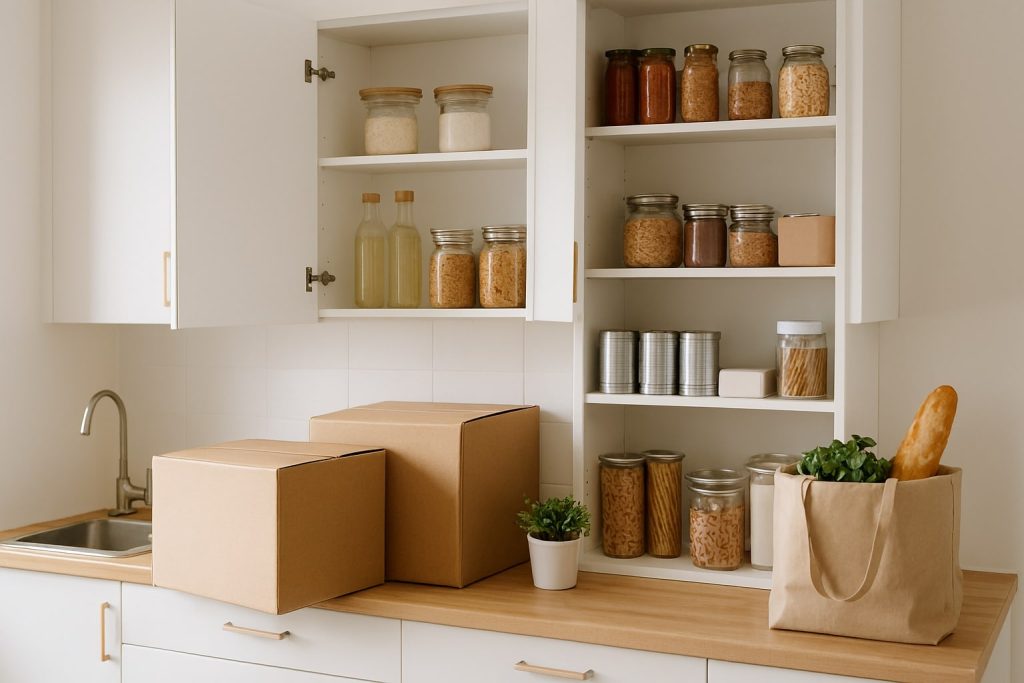
Moving house is a whirlwind of packing, planning, and paperwork. Amidst all the chaos, one area often gets overlooked until the last minute: your pantry, fridge, and freezer. Dealing with your food supply before a move isn't just about reducing what you have to transport; it's about minimising waste, saving money, and preventing potential moving day mishaps, something that even experienced removalists in Perth see all the time.
Let's dive into a comprehensive guide on how to tackle your food before moving house, ensuring a smoother transition and a well-fed journey.
1. The Pre-Move Inventory and Meal Plan (4-6 Weeks Out)
This is where the magic begins. An early start prevents last-minute panic.
- Take Stock: Go through your pantry, fridge, and freezer. Pull everything out, check expiry dates, and make a detailed list of what you have. Group similar items together.
- "Eat Me First" Strategy: Create a meal plan for the weeks leading up to your move, focusing exclusively on using up what you already have. Get creative! That forgotten jar of lentils or half-used bag of frozen veggies can become dinner.
- No New Purchases (Mostly): Resist the urge to do a big grocery shop. Buy only essential fresh items (milk, bread, fresh fruit/veg) that you'll consume completely before moving day.
2. Decluttering and Disposing (3-4 Weeks Out)
Time to be ruthless with what won't be coming with you.
- Expired Items: Anything past its use-by date needs to go straight into the bin. Don't risk food poisoning.
- Opened Items with Short Shelf Life: Partially used condiments, sauces, or opened packets that won't last the move should be prioritised for consumption or disposed of.
- Unwanted Items: Did you buy something on a whim that you'll never use? Consider donating non-perishable, unopened items (see section 3) or discarding them.
- Questionable Items: If it looks, smells, or tastes off, throw it out. Better safe than sorry.
3. Donating and Gifting (2-3 Weeks Out)
Reduce waste and help others by giving away what you can't use.
- Food Banks/Charities: Many food banks and local charities accept unopened, non-perishable food items (e.g., canned goods, pasta, rice, cereals, unopened pantry staples). Check their specific requirements and drop-off times in advance.
- Friends, Family & Neighbours: Offer excess pantry items, unopened fresh produce, or even frozen goods to anyone who can use them. A quick post on a local community social media group can also be effective.
- "Free Food" Boxes: Some communities have shared "free food" shelves or fridges where you can leave items.
4. Packing Non-Perishables (1-2 Weeks Out)
For items that are definitely coming with you.
- Consolidate: Transfer spices into smaller, airtight containers if their original packaging is bulky.
- Seal Tightly: Ensure all containers are tightly sealed to prevent leaks and spills. Use tape around lids if necessary.
- Use Small, Sturdy Boxes: Food items can be surprisingly heavy. Use small, strong boxes to prevent them from becoming too heavy to lift.
- Label Clearly: Mark boxes as "Kitchen - Pantry" or "Food" and indicate "THIS SIDE UP" if applicable. A "ESSENTIALS" label for items you'll need first is also helpful.
- Protect Breakables: Wrap glass jars (jams, sauces) in packing paper or bubble wrap.
- No Pests: Make sure all food items are bug-free before packing. Consider placing bay leaves in boxes of grains or pasta to deter pests.
5. Dealing with Fridge and Freezer Contents (1 Week to Moving Day)
This is the trickiest part, especially for longer moves.
- Prioritise Eating Fresh: Focus on consuming all fresh produce, dairy, and opened deli meats.
- Defrost Freezer: Start defrosting your freezer about a week before the move, if possible. This gives time for ice to melt and allows you to use up frozen items.
- Cook and Consume Frozen Goods: Transform frozen meats, vegetables, and pre-made meals into dinners in the days leading up to the move.
- Cooler Boxes for Essentials: On moving day, use sturdy cooler boxes with ice packs for any absolute essentials like milk, some fruit, or medication that requires refrigeration. Plan to consume these immediately upon arrival.
- Discarding Perishables: Be prepared to discard most remaining perishable items from your fridge and freezer on moving day morning. It's often safer and less stressful than trying to transport them, especially for long distances.
6. Moving Day Food Strategy
Your last food-related tasks.
- Empty and Clean: On moving morning, completely empty your fridge and freezer, clean them thoroughly, and leave the doors ajar to prevent mould and odours.
- Pack a "First Night" Bag: Include non-perishable snacks, drinks, basic cooking essentials (coffee, tea, sugar, salt, pepper), and paper plates/cutlery. This prevents immediate hunger pangs and rummaging through boxes.
- Grab a Takeaway: Treat yourself to a takeaway meal on moving day. You've earned it, and it saves you from needing to cook in a chaotic new kitchen.
Quick Takeaways for Moving Food
- Start Early (4-6 weeks out): Create a meal plan to use up existing food.
- Declutter & Donate (3-4 weeks out): Discard expired items and donate unopened non-perishables.
- Pack Smart (1-2 weeks out): Use small, sturdy, labelled boxes for non-perishables.
- Prioritise Perishables: Eat fresh and frozen items first; plan to discard most remaining perishables on moving day.
- Clean Appliances: Empty and clean fridge/freezer on moving day.
- Pack a "First Night" Kit: Include essential snacks and drinks for immediate arrival.
By following these steps, you'll significantly reduce stress, save money, and avoid unnecessary food waste when you move house. Happy moving (and eating)!
Frequently asked questions
Common questions about what to do with your food before moving house.
Q: Can I move frozen food in a cooler?
For short distances (a few hours), yes, a well-insulated cooler with plenty of ice or ice packs can keep food frozen. For longer distances, it becomes very risky as temperatures can fluctuate, leading to thawing and potential spoilage. It's generally safer to consume or discard frozen food rather than risk it.
Q: What about opened packets of food like flour or sugar?
If the packaging is sturdy and can be sealed tightly (e.g., with tape or by transferring to an airtight container), these can often be moved. However, if they are near empty or have flimsy packaging, consider consolidating or discarding them to prevent spills and messes.
Q: Should I clean my fridge and freezer before moving?
Absolutely! Empty and clean your fridge and freezer thoroughly on moving day (or the day before). This prevents odours, mould, and pests from developing during transit, especially if the appliances are unplugged for an extended period. Leave the doors slightly ajar after cleaning to allow air circulation.
Q: Can I take my house plants with me when moving?
While not food, this is a common question. Yes, you can generally move house plants, but research regulations if you're crossing state borders, as some states have strict quarantine laws. Pack them carefully in sturdy boxes, protect them from extreme temperatures, and provide them with light and water as needed.
Q: What if I have a lot of expensive alcohol or specialty ingredients?
For valuable alcohol, pack bottles carefully in specialised liquor boxes with dividers, or wrap them individually in bubble wrap and place them in sturdy boxes, ensuring no clinking. For specialty ingredients, treat them like any other non-perishable food, ensuring they are tightly sealed and protected. Consider if the cost and effort of moving them outweigh replacing them.